
A public confession
Some thoughts on Gaza

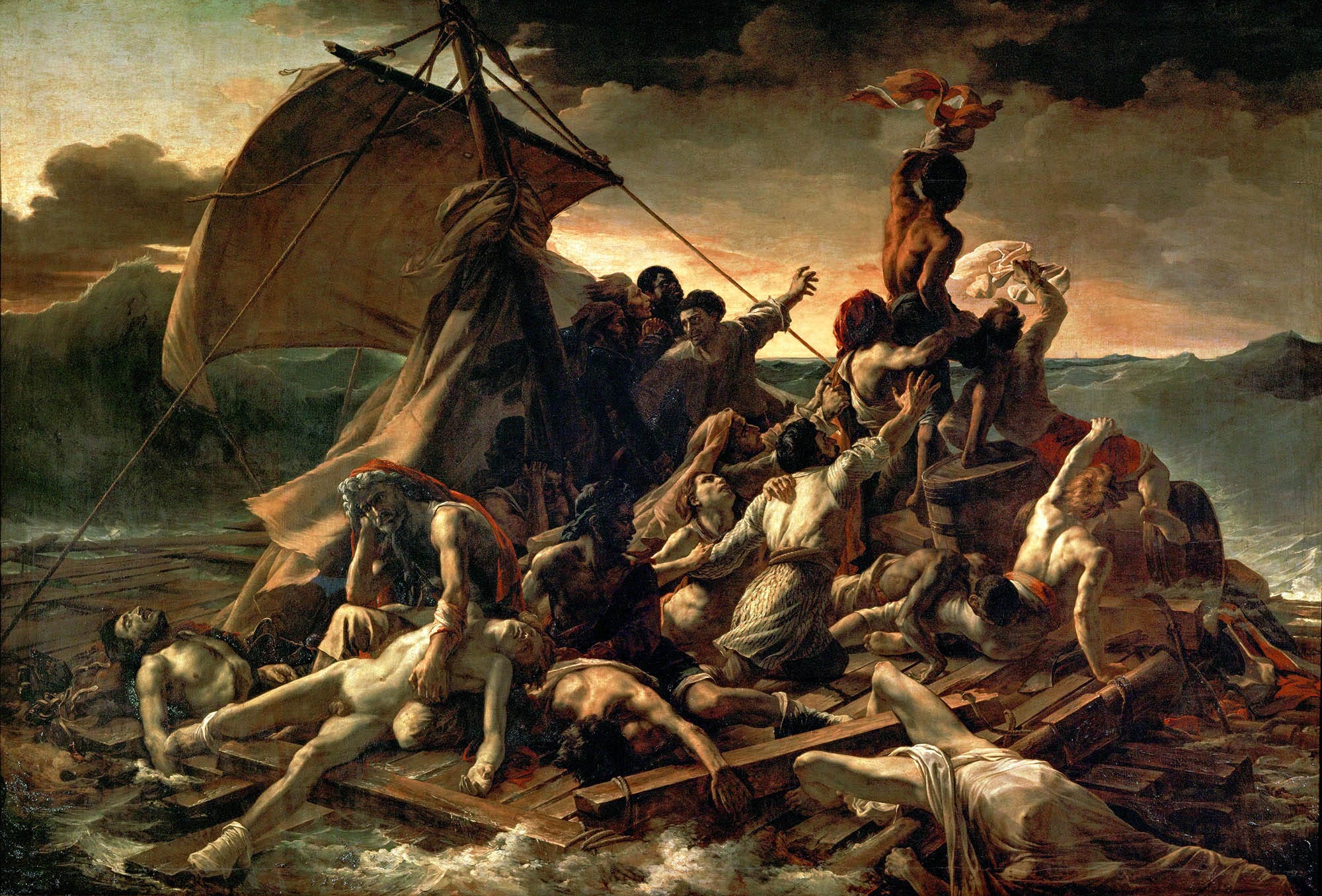
When I first began this newsletter, one of my keenest ambitions for it was that it should not devolve into a platform for my political takes. I’m interested in politics, of course, but I don’t generally have anything to say about it that couldn’t be more intelligently expressed by somebody else, and frankly the internet is already drowning in opinions.
But it feels grotesque to address any other subject without first acknowledging the One Overwhelming Subject. That is of course the genocide in Gaza. I don’t intend to defend that characterization of the conflict or to itemize the charges: I’m not here to join the Discourse, but only to express my despair. I know that whether I write this or remain silent will have no bearing on the outcome, that it won’t save a single life — that I do it more for myself than for the victims, as a tribute to my own guilt. But at this point, that doesn’t feel so different from all the demonstrations I’ve attended or the calls I’ve made to my elected representatives. If there’s nothing that we can do but watch, then I’ll watch and I won’t pretend I haven’t seen.
Although my instinct tells me that this is the worst crime I’ve ever witnessed, I suppose that it’s a fool’s errand to try to weigh one atrocity against another. Last year marked twenty years from the beginning of the Iraq War, and the experience — at least, from the perspective of a distant western observer — bears many similarities. Then as now, the nature of the crime is so nakedly obvious that one almost pities the poor saps whose job it is defend it. Not only the emperor, but the entire court must parade their new clothes for us, while the best-documented genocide in history carries on behind them.
There is a poem by Czesław Miłosz that I think about often. But rarely has it felt more relatable than when confronted day after day by an endless succession of horrors, juxtaposed against the most craven attempts by our leaders and media to discredit the evidence of our own senses.
A Task
In fear and trembling, I think I would fulfill my life
Only if I brought myself to make a public confession
Revealing a sham, my own and of my epoch:
We were permitted to shriek in the tongue of dwarfs and demons
But pure and generous words were forbidden
Under so stiff a penalty that whoever dared to pronounce one
Considered himself as a lost man.
Miłosz worked as a dissident in Nazi-occupied Poland and was later forced into exile for his skepticism of the Communist regime. But this poem was not written under Nazi occupation, or after the full atrocity of the Holocaust became known, or under Stalinist rule. It was written in Berkeley, CA, in 1970. By the time he wrote these words, Miłosz was already a veteran of shameful epochs. Perhaps all epochs are alike.
Life is full of genuine moral dilemmas in which there is no easy answer. But at times the right choices — the pure and generous words — lie so plainly before our eyes that herculean imaginative powers are required to pretend that anything obstructs them from us except our own cowardice.
So well put, it just goes on and on.